10 spices that define
Albanian cooking.
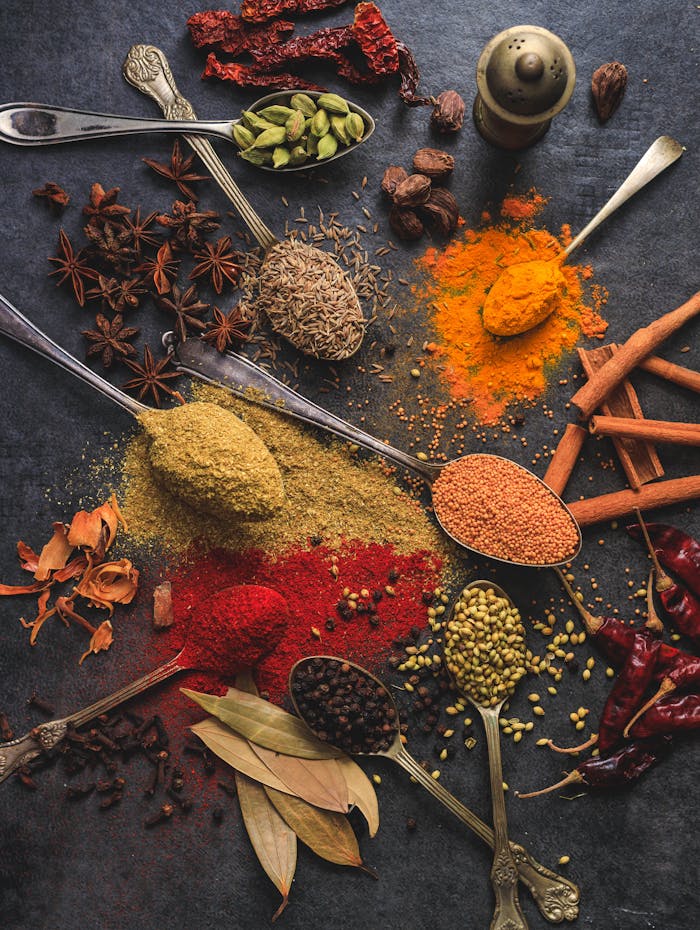
Albanian cuisine does not rely on complicated techniques or rare ingredients. It relies on spices and herbs used correctly, in the right combinations, at the right stage of cooking. This guide covers the ten spices that appear most consistently across traditional Albanian dishes — what each one does, where it appears, and how we use it at Sophra in Sarandë.
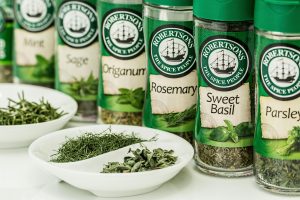
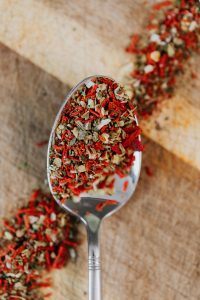
The 10 spices — what they are and how they work.
Sweet paprika is probably the most recognisable spice in Albanian cooking. It adds colour, warmth and a gentle smokiness to stews, meat dishes and slow-cooked casseroles. In fërgesë — the traditional baked dish of peppers, tomatoes and white cheese — paprika is what gives it its deep, rounded flavour. Unlike Hungarian or Spanish paprika traditions, Albanian use tends toward the mild-sweet end, building flavour rather than heat.
Fërgesë in the Albanian Antipasto platter · MoussakaOregano is the Mediterranean herb that defines the coastal side of Albanian cooking. It goes on grilled fish, into marinades for meat, and over fresh salads. In Sarandë specifically — where the Ionian Sea is at the door — oregano is the herb that bridges the sea and the land. Its slightly bitter, earthy profile works against the richness of olive oil and the simplicity of grilled fish.
Grilled Seabass · Seafood Grill Mix · Village SaladRed pepper flakes are used selectively in Albanian cooking — not to make everything hot, but to add a kick where the dish needs one. Stuffed peppers (Speca të Mbushura) use them inside the filling. Meat preparations benefit from them during marination. The heat level in traditional Albanian food is generally moderate — enough to feel, not enough to overwhelm.
Bell Pepper Casserole · Diavola PizzaMint appears in places that might surprise you — not just desserts, but in yogurt sauces, cold dips and alongside grilled lamb. In xaxiq (the Albanian version of tzatziki), fresh mint is what lifts the dish away from heaviness. In summer, when temperatures in Sarandë are high, mint is the cooling herb that makes heavier dishes easier to eat.
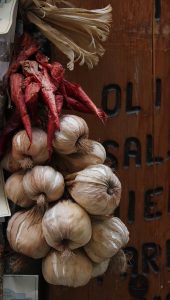
Xaxiq dip · Kadare Cocktail (saffron raki, honey, mint)Garlic is not optional in Albanian cooking. It is structural. In Tavë Kosi — lamb baked in clay with yogurt, rice and garlic — it is one of only four ingredients and the one that defines the dish’s character. Garlic is used raw, sautéed, slow-roasted and as a base for sauces. Its presence is expected across almost every traditional category: meat, vegetables, dairy-based dishes, dips.
Tavë Kosi (4 ingredients — garlic is one) · Sautéed Mussels · XaxiqRosemary is the herb of the wood-oven. Its woody, resinous fragrance intensifies with heat and infuses into meat over long cooking times. In slow-roasted lamb, rosemary is the aromatic note that runs through the entire dish. It appears in roasted potatoes, in marinades for veal, and alongside any cut of meat that spends extended time in the oven.
Oven Baked Lamb · Slow Cooked Veal Ribs · Rosemary baby potatoesFresh parsley is the finishing herb in Albanian cooking. It goes on at the end — over soups, grilled meats and seafood dishes — to add brightness, colour and a mild, clean flavour that cuts through richness. Unlike oregano or rosemary, parsley does not benefit from cooking; its role is to freshen the plate just before it arrives at the table.
Fish Soup · Grilled Octopus · Sautéed MushroomsBlack pepper is used throughout — not to create a peppery dish, but as a background seasoning that ties flavours together. It appears in virtually every meat preparation, in stews and casseroles, and as a finishing element on salads. Its role in Albanian cooking is similar to its role everywhere: universal, essential, and mostly invisible until it is missing.
Beef Steak with Mushroom Cream · Mixed Meat Platter · MoussakaBay leaves work slowly. They are added at the beginning of long-cooking dishes — soups, stews, braises — and removed before serving. Their contribution is subtle: a slightly floral, slightly herbal complexity that is difficult to name but immediately noticeable when absent. In chicken broth dishes, bay leaves are essential. In the Jufka with Whole Chicken, they infuse into the cooking liquid for hours.
Jufka with Whole Chicken · Chicken Soup · slow-cooked meat dishesDill is the herb most associated with Albanian dairy and egg dishes. In Tarator (cold yogurt and cucumber soup), dill is the defining aromatic. In byrek fillings with cottage cheese (gjizë), it adds a fresh, slightly grassy note that balances the richness of the dairy. At Sophra, dill also appears in our house-cured Gravlax Salmon — cured with dill and citrus, which is both a classical technique and an honest reflection of the herb’s affinity with fish.
Gravlax Salmon (house-cured with dill) · Byrek me Gjizë · egg dishes“Albanian cooking does not hide its spices. It builds with them — slowly, in clay pots, over oak wood, across hours. The flavour you taste at the end is the accumulation of all of them working together.”
— Sophra kitchen, SarandëWhy Sarandë: where the spice traditions converge.
Sarandë sits at the intersection of Mediterranean coastal cooking and Albanian mountain tradition. The spices that define it reflect both: oregano and mint from the coastal side, rosemary and bay leaves from the slow-cooking mountain tradition. This is not unique to Sophra — it is the character of southern Albanian cooking as a whole. What we do at Sophra is follow the same logic the region has always followed: use these spices in the dishes they were made for, in the quantities that actually work, and let the cooking time do the rest.
Questions about Albanian spices
What is the most commonly used spice in Albanian cuisine?
Paprika is one of the most widely used — it appears in fërgesë, meat stews and many slow-cooked dishes. Garlic and oregano are equally fundamental, used across almost every category of traditional Albanian food. The three together form the base of most Albanian flavour profiles.
Is Albanian food spicy?
Albanian food is flavourful rather than hot. Red pepper flakes and paprika add depth and mild warmth, but traditional Albanian cuisine is not built around intense heat. The focus is on layered, aromatic flavours from herbs like oregano, dill, mint and rosemary — with garlic running through almost everything.
What herbs are used in traditional Albanian cooking?
The most common herbs in Albanian cuisine are oregano, dill, mint, parsley, rosemary and bay leaves. These appear in everything from grilled seafood and clay-pot dishes to salads, dairy-based sauces and wood-oven specialties. Fresh and dried versions are both used, depending on the dish and the stage of cooking.
Where can I try authentic Albanian food with these spices in Sarandë?
Sophra Restaurant in Sarandë serves traditional Albanian dishes prepared with all of these spices in an open kitchen with a wood-fired oven. Near Mango Beach, open daily from 08:00. Walk-in only.
What makes a restaurant in Sarandë truly authentic?
Authentic restaurants use the same spices and herbs that Albanian families use at home — in dishes that require real time: byrek rolled by hand, lamb baked for over an hour in clay pots, bread kneaded and baked fresh daily. The spices are the same everywhere. The difference is in the process.
Taste the spices — on the plate.
Traditional Albanian cooking with an open kitchen and Ionian sea view.
Near Mango Beach, Sarandë — open daily from 08:00. Walk-in only.